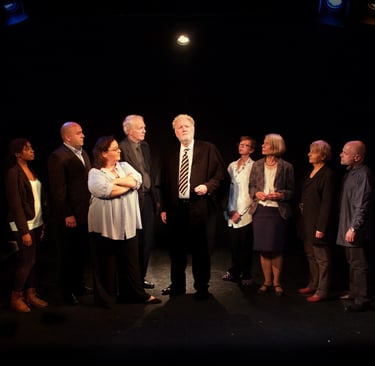
NOW AN AUDIO PLAY
Britain's most bizarre
benefits scandal
EXTENDED TRAILER
The Countess is now available as an audio drama, returning the play to the medium from which it first emerged: recorded voices. Drawn from verbatim interviews and testimony, the story began in sound—and finds a natural home here once again.
Performed and recorded for audio, this version places the voices at the centre, bringing a new clarity to the language, rhythm, and detail of the text. Experience Britain’s most bizarre benefits scandal as a fully realised audio production.
THE STORY
A Benefits Scandal dubbed 'Stranger than Fiction'
Arguably Britain's most bizarre benefits scandal, The Countess is the story of a woman who led an extraordinary double life, claiming to be both a member of the Russian Royal family... and her own bed-bound paraplegic twin sister. It was an outlandish, yet calculated scheme to defraud the benefits system, which led to one of the most detailed and lengthy investigations in Brent Council's history.
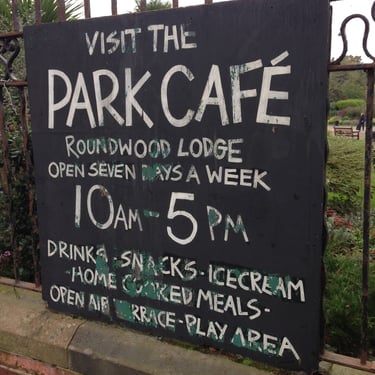
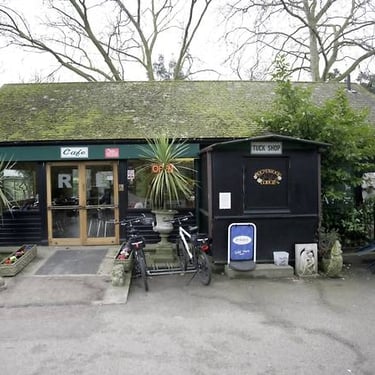
In her brazen scheme, ‘Countess’ Mariaska Romanov, a prominent and noisy figure in the borough, worked directly with the council to operate a cafe in one of their parks - all while cashing in almost £200,000 in fraudulent disability payouts, in the name of Marianne Jonson. She claimed ‘intermittent paraplegia’, and for Social Services visits she would lie in bed with a scarf covering her head, wearing sunglasses in a darkened room – making it impossible to assess her claim. In the trial, dubbed "stranger than fiction", the court heard how payments funded a lavish lifestyle, fit for a Countess, including foreign travel, luxury shopping, and weekly visits to salons and manicurists - all covered by the taxpayer, at the expense of those truly deserving.
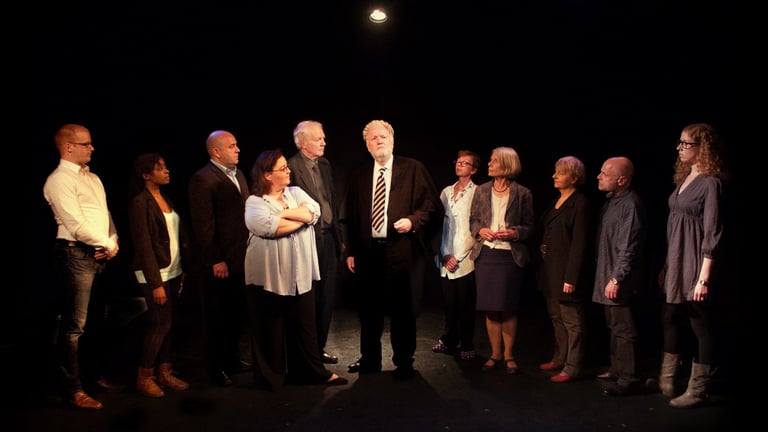
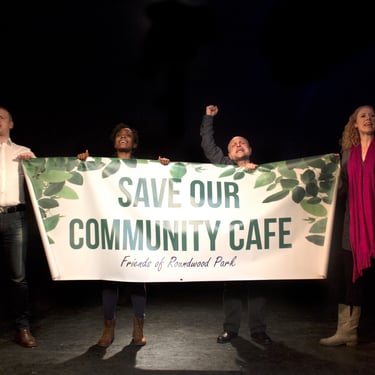
In March 2010, Marianne Jonson was found guilty of 23 counts of fraud and jailed for four and a half years. This play untangles the Countess' web of lies through exclusive interviews with the Fraud Investigation team, and the ex-Leader of Brent Council, together with illuminating transcripts from the fantastical trial which took place at Harrow Crown Court. A community chorus of park users, councillors, and locals, all of whom were all taken in by the Countess' rouse, add colour and a touch of whimsy to the proceedings, befitting of the truly eccentric story at the heart of the play.
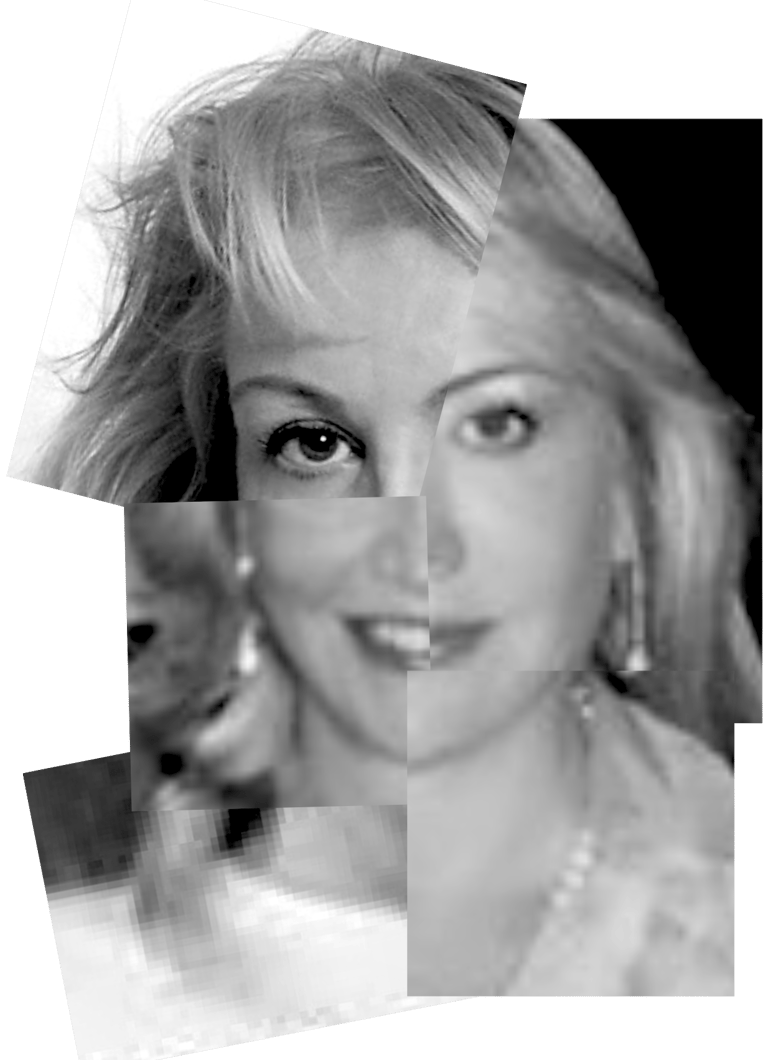
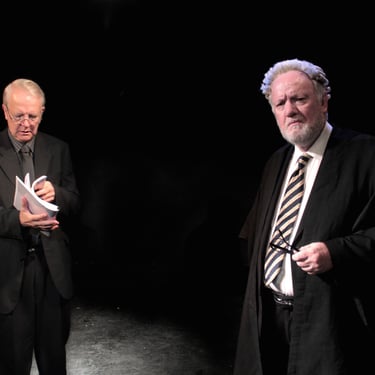
NOTES FROM ROUNDWOOD PARK
This video brings together fragments from the early stages of my research for The Countess—conversations with people connected to the story, recorded as I began to piece together the world of the play. These voices, captured in their own words, offered not just information, but texture: glimpses of character, contradiction, and memory that would go on to shape the writing.